
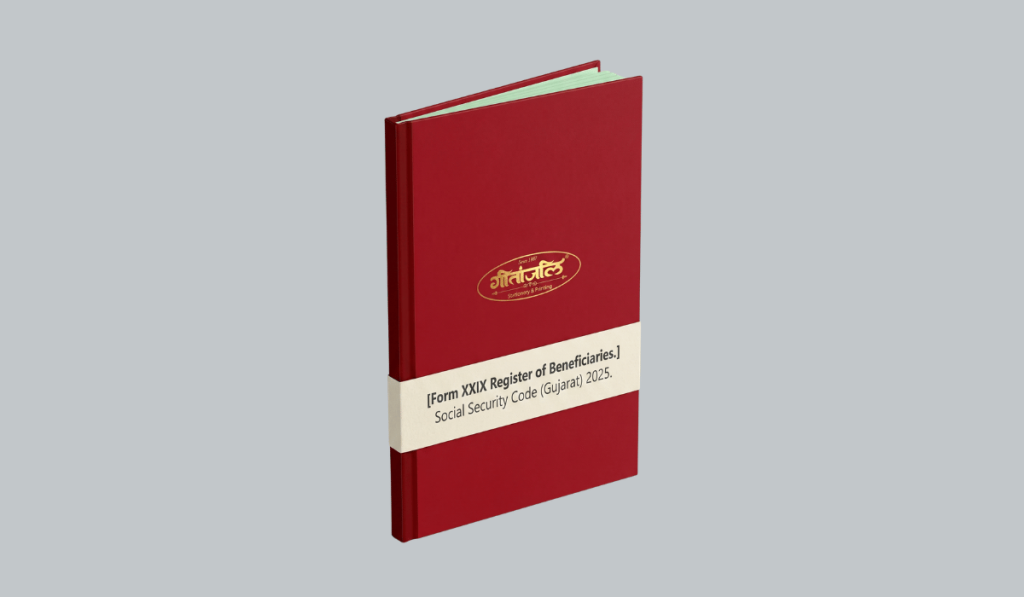
In today’s regulatory environment, maintaining proper workplace records is not just a legal requirement—it’s a critical part of running a compliant and successful business. The Occupational Safety, Health and Working Conditions Code (OSHWC) has streamlined various labor laws in India, making it mandatory for employers to maintain specific registers and records.
OSHWC Registers help businesses track employee information, wages, attendance, health records, leave details, and workplace safety compliance. Failure to maintain these records can lead to penalties, legal complications, and compliance risks.
What Are OSHWC Registers?
OSHWC Registers are official record books prescribed under the Occupational Safety, Health and Working Conditions Code. These registers help employers maintain accurate employee and workplace records as required by labor authorities.
Common OSHWC registers include:
- Muster Register
- Adult Worker Register
- Leave Register
- Wages Register
- Health Register
- Overtime Register
- Employment Records
These registers serve as documented proof of compliance during inspections and audits.
Benefits of Maintaining OSHWC Registers
1. Ensures Legal Compliance
Maintaining OSHWC Registers helps businesses comply with labor laws and government regulations. Proper documentation demonstrates adherence to statutory requirements and reduces the risk of legal action.
2. Simplifies Labor Inspections
Government inspectors often review employee and workplace records during compliance checks. Well-maintained registers make inspections smoother and help avoid unnecessary delays or penalties.
3. Improves Workforce Management
OSHWC Registers provide accurate information about attendance, leave, wages, and employee health records, enabling better workforce planning and management.
4. Reduces Compliance Risks
Incomplete or inaccurate records can result in fines and legal disputes. Properly maintained registers minimize compliance risks and provide evidence in case of audits or employee claims.
5. Enhances Workplace Transparency
Accurate record-keeping promotes transparency between employers and employees, helping build trust and maintain fair employment practices.
Why Every Business Should Invest in Quality OSHWC Registers
Whether you operate a factory, warehouse, construction site, shop, or commercial establishment, maintaining statutory registers is essential. Professionally designed OSHWC Registers ensure that all required information is recorded in the correct format, helping businesses stay organized and compliant.
Using standardized registers also saves time, improves record accuracy, and supports efficient documentation practices.
Consequences of Non-Compliance
Businesses that fail to maintain mandatory registers may face:
- Monetary penalties
- Legal notices
- Compliance violations
- Delays during inspections
- Increased risk of employee disputes
Maintaining up-to-date OSHWC Registers is a simple yet effective way to avoid these issues.
Conclusion
OSHWC Registers are a vital component of business compliance and workforce management. They help organizations meet legal obligations, maintain accurate records, and prepare for inspections with confidence.
Investing in high-quality OSHWC Registers not only ensures compliance but also contributes to smoother operations and better organizational control. For businesses committed to regulatory compliance and workplace transparency, maintaining OSHWC Registers is an essential practice.
Frequently Asked Questions (FAQs)
Q1. Are OSHWC Registers mandatory for businesses?
Yes, eligible establishments must maintain prescribed registers as per applicable labor regulations.
Q2. Which industries require OSHWC Registers?
Factories, manufacturing units, construction businesses, warehouses, and many commercial establishments may require them.
Q3. How often should OSHWC Registers be updated?
Registers should be updated regularly whenever employee, wage, attendance, leave, or health-related information changes.
Q4. Can digital records replace physical registers?
This depends on applicable regulations and local compliance requirements. Businesses should verify current legal provisions before adopting digital alternatives.
